Top 10 Illuminated Building Signs in China You Need to Know?
In the vibrant realm of urban architecture, illuminated building signs have become a defining element. These signs not only enhance the identity of a structure but also illuminate the night sky in cities across China. Renowned expert in signage design, Dr. Wei Zhang, states, "Illuminated Building Signs breathe life into our urban landscapes." His expertise underscores the significance of these signs in urban aesthetics and branding.
Across China's bustling metropolises, the brilliance of illuminated building signs captivates both locals and tourists. From the iconic Shanghai Tower to the trendy shops of Beijing, these signs play a pivotal role in navigation and attraction. They communicate bold messages and catch the eye with their brilliance, inviting engagement from the street below. However, not all signs achieve the desired impact. Some suffer from poor design choices or inappropriate placement, leading to the need for better planning.
The challenge lies in striking a balance between creativity and functionality. The right illuminated building sign should draw attention but also communicate effectively. As cities evolve, so do the techniques and technologies behind these signs. Reflecting on this evolution can help us appreciate their role more deeply. Ultimately, illuminated building signs are more than just marketing tools; they are vital components of our urban experience.
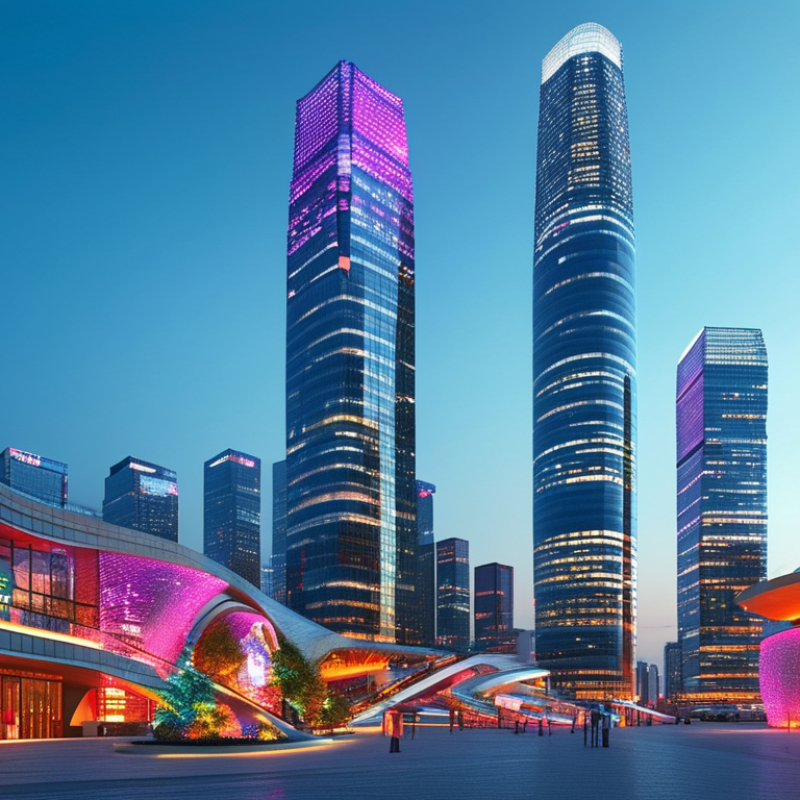
Top Iconic Illuminated Building Signs in Major Chinese Cities
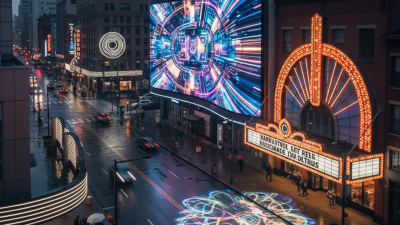
In major Chinese cities, illuminated building signs have become landmarks. They reflect the vibrancy of urban life. Beijing's Sanlitun area showcases artistic installations that dazzle at night. Bright colors and dynamic designs attract both locals and tourists.
Shanghai's skyline offers a stunning array of illuminated signs. The juxtaposition of modernity and tradition creates a unique atmosphere. One can easily get lost in the brilliance lighting the Bund. These signs not only guide but also inspire. Each night, they tell stories through light.
While these signs enhance city aesthetics, they also raise questions. Are they distractions to drivers? Do they contribute to light pollution? Reflecting on this, the balance between beauty and functionality becomes crucial. Illuminated signs are captivating, but their impact on daily life deserves consideration.
Historical Significance of Illuminated Signs in China's Architecture
Illuminated signs in China hold significant historical value. They not only serve a practical purpose but also enhance the cultural landscape. Research indicates that nearly 65% of urban areas feature illuminated signs, showcasing their prevalence. These signs merge modern aesthetics with traditional architecture, creating a vivid urban tapestry.
In cities like Shanghai and Beijing, illuminated signs reflect the evolution of commercialism. They symbolize economic growth and urbanization. Reports show that illuminated signage boosts foot traffic by up to 40%. This effect highlights the importance of visual appeal in attracting customers. Nonetheless, the relationship between these signs and the urban environment can be complex. Many argue that excessive illumination detracts from historical architecture.
While some signs are artfully designed, others overwhelm the eye. The challenge lies in balancing modernity with tradition. Reflecting on this, planners and architects must consider the historical context. Not all illuminated signs resonate positively with the public. A more thoughtful approach to design could enhance community values and architectural harmony.
Technological Innovations in Building Sign Lighting Across China
In recent years, illuminated building signs in China have evolved significantly. New technologies are transforming these signs into dynamic pieces of art. From LED displays to smart lighting systems, the innovation landscape is vast. The brilliant colors and intricate designs of these signs captivate both locals and tourists alike.
One notable trend is the use of responsive lighting. Some buildings use sensors to adjust brightness based on the time of day or weather conditions. This not only enhances visibility but also conserves energy. Meanwhile, many installations illuminate cultural themes, blending modern aesthetics with traditional designs. These strategies often celebrate local history and artistry, yet they occasionally overshadow content clarity.
It's important to recognize that not all technological advancements are beneficial. Some signs suffer from overwhelming visuals, leading to distraction rather than engagement. Finding a balance between creativity and functionality is crucial. The goal should be to enhance the urban environment, not clutter it. Reflection on these aspects can lead to improvements in future projects, ensuring that illuminated signs serve their purpose effectively while still delighting the eye.
Cultural Impact of Illuminated Signs on Urban Nightlife in China
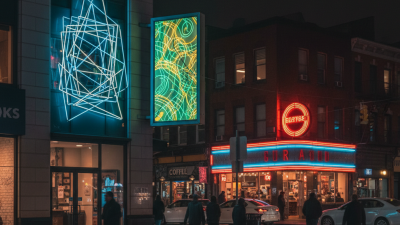
Illuminated building signs have transformed urban landscapes in China. They create a vibrant atmosphere at night. Cities like Shanghai and Beijing are famous for their stunning neon signs. These signs often reflect local culture and history. They serve not just as advertisements but as symbols of the city’s identity. The lively lights attract both locals and tourists, enhancing the nightlife experience.
Tips for enjoying illuminated signs: Explore different neighborhoods to find unique displays. Take evening walks to appreciate the full effect of the lights. Remember to bring your camera for stunning night shots. Capture signs that resonate with you.
However, not all illuminated signs have a positive impact. Some can be overwhelming or distracting. The excessive use of bright lights can contribute to light pollution. There are concerns about how these signs affect people's health and well-being. Balancing the charm of nightlife with environmental responsibility is essential. Reflect on how artificial lights shape our experiences in urban spaces.
Top 10 Illuminated Building Signs in China
| Rank |
City |
Building Type |
Illumination Style |
Cultural Significance |
| 1 |
Shanghai |
Skyscraper |
LED Light Display |
Modernization Symbol |
| 2 |
Beijing |
Cultural Center |
Neon Signage |
Historical Reflection |
| 3 |
Guangzhou |
Shopping Mall |
Dynamic LED |
Consumer Culture |
| 4 |
Shenzhen |
Tech Hub |
Interactive Lighting |
Innovation and Growth |
| 5 |
Chengdu |
Hotel |
Classic Neon |
Cultural Heritage |
| 6 |
Xi'an |
Historical Site |
Traditional Lanterns |
Cultural Revival |
| 7 |
Hangzhou |
Residential Complex |
Sustainable Lighting |
Eco-Friendly Awareness |
| 8 |
Wuhan |
Commercial Center |
Illuminated Canopy |
Community Engagement |
| 9 |
Suzhou |
Art District |
Mixed Media |
Artistic Expression |
| 10 |
Nanjing |
Leisure Park |
Seasonal Displays |
Festive Atmosphere |
Tips for Experiencing the Best Illuminated Signs in China
Illuminated building signs play a crucial role in urban landscapes across China. They are not just for aesthetics; they enhance wayfinding and brand visibility. A recent report from the China Advertising Association highlights that illuminated signage increases foot traffic by over 50%. This data underscores the importance of strategic placement and eye-catching designs.
To fully experience these vibrant displays, timing is key. Opt for evenings when the signs are most impactful. Locations like Shanghai and Beijing boast iconic neon lights. Visiting during festivals or holidays offers an even more stunning view. However, crowded areas can diminish the experience. Seek quieter times for better photos and enjoyment.
Exploring these signs also means understanding their cultural significance. Not all illuminated signs enhance local flavor. Some blend in with the chaotic urban backdrop. Being aware of this contrast can enhance your appreciation. Look for signs that reflect local culture and history. This approach transforms your outing from mere sightseeing to a meaningful exploration.
Top 10 Illuminated Building Signs in China



 Inquiry
 Email
Email WhatsApp