Top 10 Acrylic Signage Trends You Should Know About?
Acrylic signage continues to shape the branding landscape in innovative ways. According to industry expert Sarah Thompson, “Acrylic signage offers clarity and elegance that can elevate any space.” This medium is versatile, reflecting a blend of creativity and functionality. As businesses strive to stand out, acrylic signs provide a unique solution.
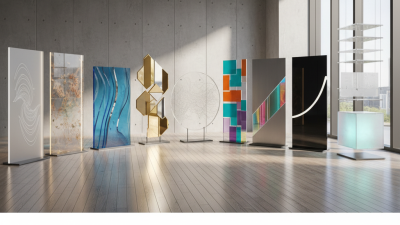
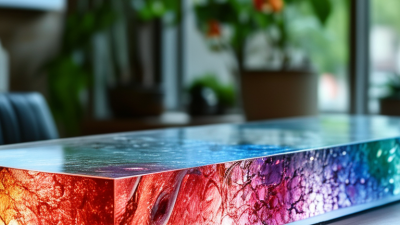
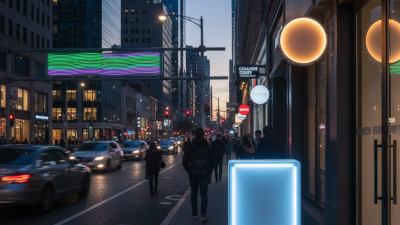
Recent trends showcase how acrylic signage can be customized for various environments. Designers increasingly use bold colors, textures, and shapes to attract attention. Businesses are experimenting with illuminated signs, adding a modern touch to traditional displays. The shift towards sustainability also drives the adoption of eco-friendly materials in acrylic production.
While the advancements are exciting, some challenges remain in the acrylic signage industry. Not every design idea translates well into a finished product. Manufacturers must balance innovation with practicality. Reflection on customer needs is crucial to avoid missteps in this evolving field. As trends emerge, staying informed is vital for making the best choices in acrylic signage.
Current Design Trends in Acrylic Signage
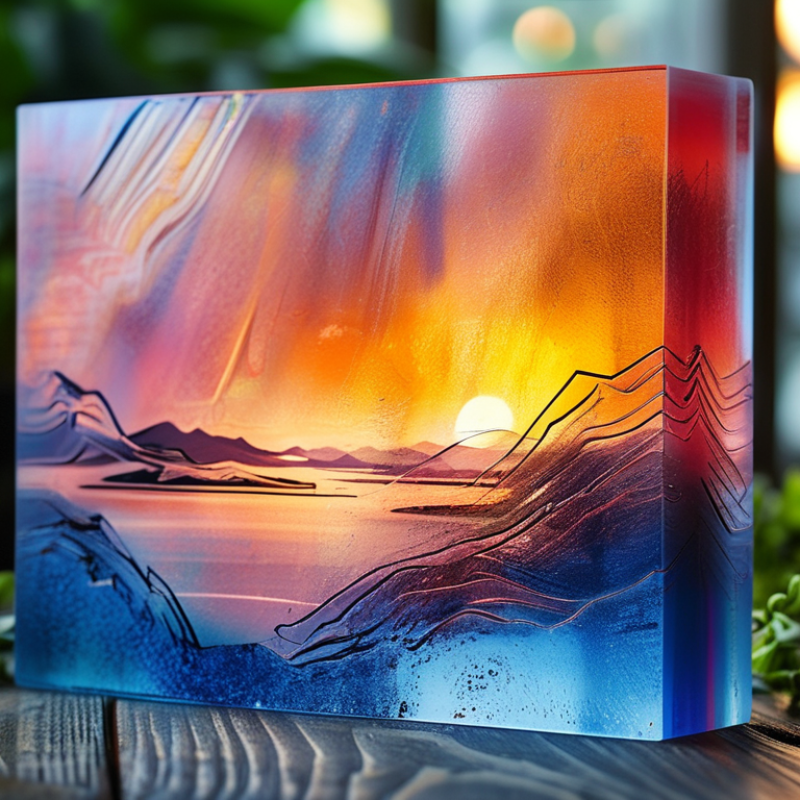
Acrylic signage has evolved significantly, reflecting current design trends. One prominent trend is the use of dynamic colors. According to a report by the Sign Research Foundation, 78% of consumers make judgments about a company's credibility based on signage. Bright and bold colors can enhance visibility and attract attention. This is crucial in public spaces where competition for attention is fierce.
Sustainability plays a key role in acrylic signage design today. Many companies are shifting toward eco-friendly materials. Reports indicate that 66% of consumers prefer brands that use sustainable practices. This drives the demand for recyclable acrylic options. Designers often combine clear acrylic with natural wood elements to create a modern, eco-conscious aesthetic.
Another trend is the rise of minimalistic designs. Less is often more. Simplistic and clean lines can convey messages effectively. Data shows that a straightforward message can improve recognition by 50%. However, this raises questions about creativity. Are we sacrificing uniqueness for simplicity? Balancing these aspects is an ongoing challenge for designers in the acrylic signage industry.
Top 10 Acrylic Signage Trends You Should Know About
| Trend |
Description |
Popularity Level |
Color Usage |
| Minimalist Design |
Clean lines and simple designs that attract attention without clutter. |
High |
Monochrome |
| Illuminated Signs |
Acrylic signs with integrated lighting for visibility at night. |
Medium |
Bright Colors |
| Textured Acrylic |
Acrylic with embossed textures for a unique look and tactile interest. |
Emerging |
Muted Tones |
| Eco-Friendly Materials |
Use of sustainable acrylic materials to align with green initiatives. |
Growing |
Natural Shades |
| 3D Effects |
Use of layers to create depth and shadows in signage. |
High |
Contrast Colors |
| Mixed Media |
Combining acrylic with wood or metal for eye-catching effects. |
Medium |
Varied Palette |
| Interactive Signage |
Signs that incorporate technology or QR codes for user engagement. |
Emerging |
Bright Colors |
| Vintage Aesthetics |
Retro designs and fonts reimagined in acrylic signage. |
High |
Classic Colors |
| Custom Shapes |
Unique, custom-cut shapes that fit brand identities. |
High |
Segmented Colors |
Innovative Applications for Acrylic Signage in Different Industries
Acrylic signage is transforming various industries with innovative applications. In retail, brands are using custom acrylic displays to enhance product visibility. A recent study indicates that 70% of purchasing decisions are influenced by visual information. Retail environments benefit from vibrant colors and stylish designs that acrylic offers. Such signage can effectively attract customers' attention, leading to higher foot traffic.
In hospitality, acrylic signs play a crucial role in guest experience. Hotels are adopting clear and elegant acrylic displays for directions and information. Research shows that 65% of guests prefer easy navigation through clear signage. The sleek look complements modern interiors while providing essential information. Moreover, customization options allow businesses to reflect their brand's identity easily.
Healthcare facilities are increasingly utilizing acrylic signage for wayfinding. A seamless experience is vital in stressful environments. Statistics reveal that well-designed signage can decrease patient stress levels by 30%. Acrylic's durability and easy cleaning properties make it ideal for such settings. The material enhances clarity and professionalism, ensuring essential information is readily accessible to patients and staff alike.
Top 10 Acrylic Signage Trends in 2023
This chart illustrates the popularity of different acrylic signage trends across various industries in 2023. The data highlights the versatility and innovative applications of acrylic materials in signage design.
Eco-Friendly Practices in Acrylic Signage Production
Eco-friendly practices in acrylic signage production have become a focal point for many businesses. Recent industry reports indicate that 70% of consumers prefer brands committed to sustainable practices. Acrylic signage, known for its durability, can be produced using recycled materials, minimizing environmental impact.
Utilizing eco-friendly materials is a growing trend. Many manufacturers are adopting acrylic produced from post-consumer recycled plastic. This shift reduces plastic waste and promotes responsible consumption. Additionally, water-based adhesives and inks are gaining traction, reducing harmful emissions commonly associated with traditional options.
However, challenges remain. Not all suppliers offer sustainable alternatives, creating a disparity in the market. Some manufacturers struggle to meet rigorous eco-certification standards. While progress is evident, continuous improvement is needed. The commitment to sustainability in acrylic signage production must be prioritized for a truly eco-friendly future.
Choosing the Right Fonts and Colors for Acrylic Signs
Choosing the right fonts for acrylic signs is crucial. Fonts can impact readability and emotional response. A bold sans-serif font projects strength and modernity, while script fonts convey elegance. It's essential to consider the signage's purpose. Will it guide, inform, or advertise? This choice influences the overall design significantly.
Colors also play a vital role in acrylic signage. Bright colors attract attention, while muted tones create a sense of calm. Consider the environment where the sign will be displayed. Colors should complement the surroundings. For instance, a restaurant may use warm tones to create a cozy atmosphere.
It’s worth noting that not all combinations work well. A contrast that is too sharp may strain the eyes. Experiment with various color pairings to find the right balance. It’s an evolving process that requires reflection. Always test your choices in real-world settings and gather feedback for improvement.
Future Innovations and Technologies in Acrylic Signage Design
Acrylic signage is evolving rapidly. Future innovations focus on enhanced functionality and aesthetic appeal. Smart technology is making its way into acrylic signs. Imagine using LED lights and motion sensors to grab attention. These features not only attract but also engage customers more effectively.
Incorporating augmented reality (AR) is another exciting trend. Users can scan a sign with their phones and see additional information displayed. This interaction stimulates curiosity and promotes a deeper connection with the brand. However, implementing AR can be challenging. Designers must ensure seamless integration without overwhelming users.
Tips: Choose high-quality acrylic for better durability. Test lighting options to see what works best for your design. Always keep your audience in mind; effective signage must be relevant and easy to understand. Avoid cluttering the design with too many elements. Remember, simplicity often enhances impact.



 Inquiry
 Email
Email WhatsApp