Top 10 Stunning Illuminated Building Signs to Elevate Your Brand Visibility?
Creating a strong brand presence is essential in today's competitive market. One effective way to enhance visibility is through Illuminated Building Signs. These signs not only attract attention but also convey a sense of professionalism. They can transform an ordinary building into a landmark.
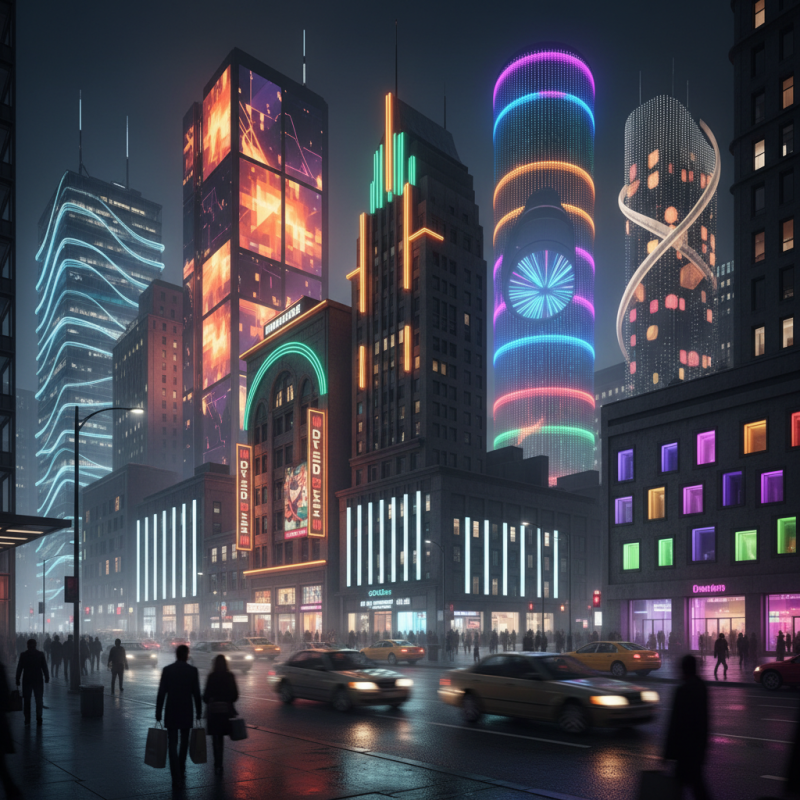
Imagine walking down a bustling street. Brightly lit signs catch your eye, showcasing vibrant colors and unique designs. Each sign tells a story, reflecting the brand behind it. Businesses that invest in Illuminated Building Signs often stand out. They draw customers in and create lasting impressions.
However, not all illuminated signs are created equal. Some designs may fail to resonate with the intended audience. It’s crucial to carefully consider the message and aesthetic of your sign. Reflecting on what works and what doesn’t is vital for success. The right Illuminated Building Signs can elevate your brand, but they require thoughtful execution.
The Importance of Illuminated Building Signs for Brand Awareness
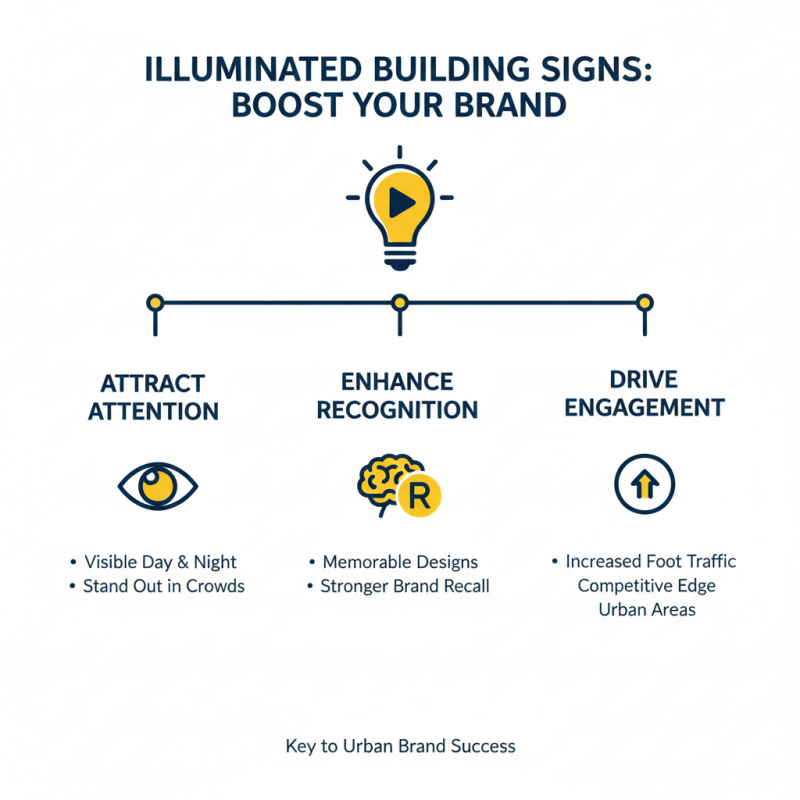
Illuminated building signs play a crucial role in enhancing brand awareness. They attract attention, especially at night, making them more visible than standard signage. Bright, eye-catching designs can make a lasting impression on passersby. In busy urban areas, where competition is fierce, standing out is vital for success.
The right illuminated sign can communicate your brand's identity effectively. For instance, a unique sign can become a landmark. This draws in not just new customers, but also encourages returns. But it's important to balance aesthetics with functionality. A beautiful sign that is hard to read won't help your brand. Testing visibility in different lighting conditions is necessary.
While illuminated signs elevate visibility, they can present challenges. Maintenance is critical; a dim or broken sign can harm your image. It's not just about installation; ongoing care is essential. Additionally, there may be regulations regarding lighting in your area. Understanding these can save you from unnecessary headaches. Reflecting on these factors can lead to better decision-making.
Types of Illuminated Signs: Channel Letters, Light Boxes, and Neon
Illuminated signs play a crucial role in enhancing brand visibility. They capture attention, especially in busy urban areas. Among the most popular types are channel letters, light boxes, and neon signs.
Channel letters are custom-made, three-dimensional letters. They shine brightly, making storefronts noticeable from a distance. Reports show that businesses utilizing channel letters can increase visibility by up to 60%.
Light boxes offer versatility. They provide a large canvas for vibrant graphics. Perfect for creative designs, light boxes are often used in shopping centers and restaurants. They can elevate a brand’s presence significantly. Studies indicate that 70% of consumers recall seeing a lighted sign when making decisions. This could influence foot traffic and sales.
Neon signs resonate with a vintage aesthetic. They evoke emotional connections and memories. While they are captivating, the high energy consumption can be a concern. Some businesses may find the maintenance costs challenging. Nevertheless, neon signs can create an inviting atmosphere. Overall, each sign type has its unique strengths. Choosing the right illuminated sign can greatly impact brand success, yet it requires thoughtful consideration of costs and design.
Innovative Design Techniques for Eye-Catching Illuminated Signs
Illuminated signs have become essential for businesses seeking to enhance brand visibility. Innovative design techniques elevate these signs, making them stand out in the crowded urban landscape. According to a study by the International Sign Association, over 70% of consumers make purchasing decisions based on signs. This data shows that the right design can significantly impact customer engagement.
One popular technique involves utilizing LED technology. LED signs are not only energy-efficient but also versatile. They can display dynamic content, attracting attention effectively. Bright, vibrant colors create a visual feast that can draw customers from afar. Implementing contrasting colors and interactive elements can further boost engagement.
Tips: Consider your audience when designing a sign. A youthful audience may respond better to bold designs, while a more traditional crowd may prefer classic styles. Reflecting your brand identity in these signs is crucial. Use materials that tell a story, like recycled aluminum or textured wood.
Emphasizing visibility is essential. The right height and placement can make a sign more accessible. However, signs that are too cluttered or intricate can confuse viewers. Striking a balance between creativity and clarity is vital. Always aim for simplicity. This keeps the message clear and immediate.
Top 10 Stunning Illuminated Building Signs to Elevate Your Brand Visibility
Case Studies: Successful Brands Using Illuminated Signage
Illuminated signage is transforming the way brands communicate with their audience. A well-designed illuminated sign can boost visibility by up to 50%, especially in high-traffic areas. Brands leveraging this type of signage often enjoy increased foot traffic. For example, studies show that businesses with illuminated signs see a 30% rise in revenue. These signs capture attention, particularly at night. They create an inviting atmosphere that encourages customers to engage.
Many successful brands emphasize the importance of illuminated signs. Case studies reveal that shops located in urban settings experience unique challenges. Strong competition and diverse offerings require standout visibility. Research indicates that 70% of consumers have made purchasing decisions based on sign visibility alone. Using illuminated signs allows brands to ensure they are seen. Yet, not all illuminated signs achieve optimal results. Poor placement or design can undermine the effectiveness. Brands must continually reevaluate their signage strategies.
Effective illuminated signage combines creativity and functionality. It’s crucial to balance aesthetics with practical needs. Engaging designs attract attention but must align with brand messaging. Simple messages work best and should be easily readable from a distance. Take the time to analyze how your signs are performing. Adjusting lights, colors, and locations can lead to better engagement. Reflecting on success and areas for improvement sets brands up for continued growth.
Top 10 Stunning Illuminated Building Signs to Elevate Your Brand Visibility
| Sign Type |
Material |
Lighting Technology |
Location |
Height (feet) |
Visibility Distance (miles) |
| Channel Letters |
Aluminum & Acrylic |
LED |
Downtown |
15 |
1.5 |
| Pylon Sign |
Steel |
Neon |
Shopping Center |
25 |
2.0 |
| Blade Sign |
Wood & Vinyl |
LED |
Street Corner |
10 |
0.75 |
| Wall Sign |
Composite Panel |
Dimensional Letters |
Business District |
12 |
1.2 |
| LED Video Wall |
LED Screens |
LED |
Entertainment District |
20 |
3.0 |
| Marquee Sign |
Metal & Acrylic |
Incandescent |
Theater Area |
8 |
0.5 |
| Neon Sign |
Glass Tubes |
Neon |
Historic District |
5 |
0.3 |
| Digital Directory |
LCD Display |
LED |
Corporate Office |
6 |
0.4 |
| Sculptural Sign |
Mixed Media |
LED |
Cultural Center |
18 |
2.5 |
| Architectural Lighting |
Glass & Steel |
LED |
Skyline |
30 |
3.5 |
Tips for Choosing the Right Sign to Enhance Your Business Visibility
When choosing illuminated building signs, consider design, placement, and lighting. A well-placed sign can increase visibility by up to 75%. Many businesses overlook the power of signage. A poor design can lead to confusion and diminish brand impact. Research suggests that 60% of customers find illuminated signs more appealing than non-illuminated options.
Material also plays a critical role. High-quality materials can withstand weather changes and maintain brightness over time. Inadequate materials may result in fading or damage, reflecting poorly on your brand. Evaluate each aspect carefully. Not all lighting is equal; LED options reduce energy costs, but can be too harsh if not designed well.
Don't ignore local regulations, either. Some cities have strict guidelines for signage. Researching these rules is crucial. Otherwise, your stunning sign could become an expensive mistake. A sign should not only attract attention but also communicate effectively. Keep it simple. The best signs often convey a message in just a few words. Remember, your sign is an extension of your brand.



 Inquiry
 Email
Email WhatsApp