10 Best Office Lobby Signs to Enhance Your Workplace Decor?
The entrance of any office speaks volumes about a company’s identity. Office Lobby Signs are essential for setting the tone. According to a report by the International Sign Association, 68% of customers believe that signs reflect the quality of a business. This statistic highlights how significant Lobby Signs are in enhancing workplace decor.
Choosing the right sign can influence first impressions. Effective signage not only guides visitors but also conveys brand values. A study found that 60% of businesses with high-quality lobby signage reported increased customer engagement. These signs can be more than informative; they should tell a story about the organization.
However, not all Office Lobby Signs achieve their potential. Poor design or unclear messaging can lead to confusion. It’s vital to reflect critically on how signs might be perceived. A well-designed lobby sign invites engagement, while a poorly executed sign may alienate potential clients. Careful attention to detail can make a difference that resonates.
Choosing the Right Material for Office Lobby Signs
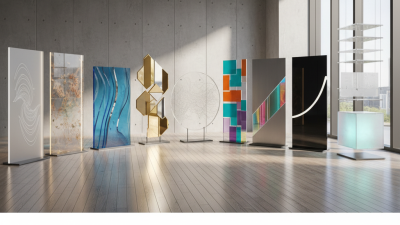
Choosing the right material for office lobby signs can greatly impact the overall aesthetic of your workplace. The most common materials include acrylic, metal, and wood.
Acrylic signs often look modern and sleek. They are lightweight and come in various colors.
However, they can scratch easily and may require regular cleaning.
Metal signs exude a sense of professionalism. They offer durability and can withstand wear and tear. However, they may not fit in with every design theme. Some people find them cold or uninviting.
On the other hand, wooden signs can add warmth and character. They have a natural feel and can blend well with other decor. Yet, they may warp or fade over time, especially in direct sunlight.
When selecting materials, consider your specific needs. Reflect on the message you want to convey and the overall vibe of your workplace. Think about practicality as well. A balance between style and function is essential. Sometimes, it can be hard to find that middle ground. Don’t rush the decision-making process; ask for opinions from others. Their insights may reveal a perspective you hadn’t considered.
Design Elements that Make Lobby Signs Stand Out
When designing an office lobby sign, visual elements play a crucial role. A well-chosen color palette can evoke specific emotions and enhance the atmosphere. For instance, warm hues like red or orange can create a welcoming vibe. In contrast, blues and greens often promote calm and focus. Combining these colors with creative typography adds character. Clean, bold fonts can ensure that the message is clear and striking.
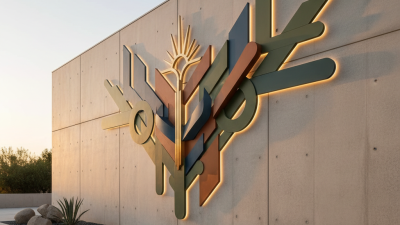
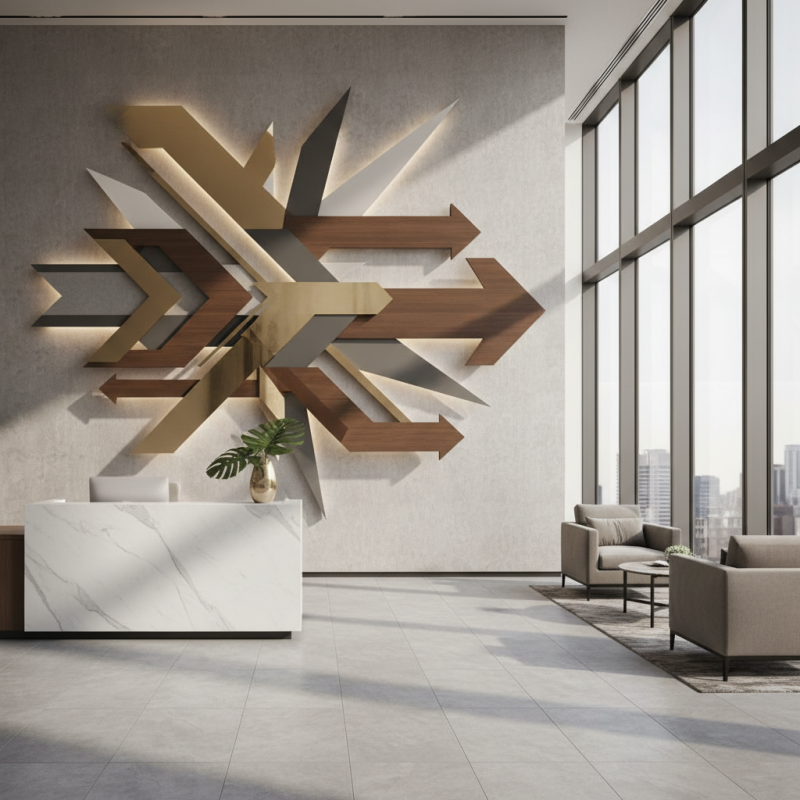
Shape and texture also bring lobbies to life. Incorporating three-dimensional elements can draw attention and create engagement. Materials like wood or metal add a tactile feel. A raised letter design can invite interaction, sparking curiosity.
Lighting is another vital component. Well-placed lights can highlight the sign, making it a focal point. Even simple shadows can enhance visibility while creating depth.
Lastly, consider how these elements reflect company values. A sign that embodies your brand can strengthen identity. However, be mindful of over-complicating designs. Too many elements can confuse visitors. A balanced approach is essential. It’s an ongoing process to refine your lobby sign design. Frequent feedback can lead to improvements that better serve your workplace décor.
Incorporating Company Branding into Lobby Signage
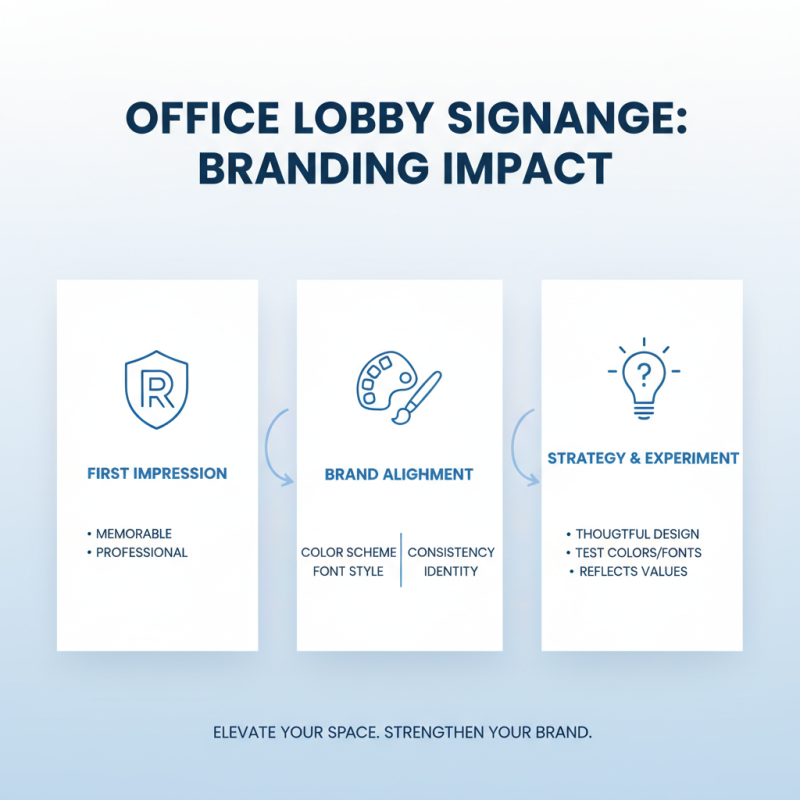
When enhancing your office lobby, signage plays a vital role. Incorporating company branding into lobby signage creates a memorable first impression. Consider the color scheme and font style. They should align with your brand identity. This often requires thoughtful consideration and sometimes, experimentation. You might find that a color you love does not represent your brand well.
Visual elements can further strengthen your message. Adding logos or taglines makes it personal. Think about the materials as well. Wood, metal, or acrylic can convey different feelings. Each has its own texture and weight. It is common to overlook the need for practical details, like size and placement. A sign too high or too low can confuse visitors.
The importance of clarity cannot be stressed enough. If your signs are hard to read, their purpose is lost. Sometimes, less is more. Avoid cluttering your signage with too much information. This can overwhelm guests instead of welcoming them. Reflection on the simplicity of design can lead to a stronger impact. Focus on what truly represents your brand, and the rest will follow.
Practical Tips for Effective Office Lobby Sign Placement
Choosing the right office lobby signs can significantly impact first impressions. Proper placement is key to their effectiveness. Consider high-traffic areas where visitors naturally glance. Signs should be visible from multiple angles, catching attention immediately. Avoid cluttering spaces. A single, well-placed sign can be more impactful than several signs crammed together.
Think about the height of your signs. They should be easy to read, even for children. A design that combines visuals and text often works best. Ensure lighting enhances, not hinders, visibility. Signs can be overlooked in dim areas. Sometimes, it’s necessary to reposition signs after feedback. If visitors miss the sign, assess whether it’s in the right spot.
Evaluate the materials used for the signs. They should reflect professionalism but also be inviting. A glossy finish might look modern, but a matte finish feels warmer. Remember, simplicity often leads to better communication. Too much detail can confuse passersby. If a sign doesn't convey its message clearly, it may not serve its purpose. Keeping these tips in mind will lead to a better workplace experience.
Innovative Ideas for Interactive Lobby Displays
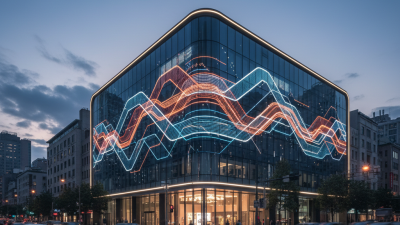
Incorporating innovative ideas in your office lobby can create a welcoming atmosphere. Interactive displays engage visitors and foster a sense of connection. One captivating idea is a digital display that shows live updates, such as news or company achievements. This type of screen encourages guests to explore the information, sparking curiosity.
Another interactive option is a touch-screen kiosk. This can provide insights into your company’s services or upcoming events. Users appreciate having access to information at their fingertips. You can also include a rotating art display featuring local artists. This not only beautifies the space but invites conversations among visitors. It creates a vibrant, dynamic environment that feels fresh.
While these ideas are appealing, they require regular upkeep. Outdated information can leave a negative impression. Ensuring the displays are functional and current may take effort. Engaging staff in the process can help maintain enthusiasm for the lobby decor. Foster an environment where everyone contributes to the overall atmosphere, reflecting your company's values and culture.



 Inquiry
 Email
Email WhatsApp