Best Lighted Business Signs for Effective Advertising Tips?
In the competitive landscape of modern business, effective advertising is crucial. Lighted Business Signs stand out as a potent marketing tool. Studies show that about 75% of consumers enter a store based on its signage. This statistic highlights the importance of visibility in attracting potential customers.
According to a report by the Sign Research Foundation, well-lit signs can increase sales by up to 15%. This effect is further amplified in high-traffic areas, where visibility can drive foot traffic significantly. However, not all lighted signs are created equal. The choice of design, placement, and brightness can deeply impact consumer perception.
Business owners must invest time in evaluating different options. It is vital to consider local regulations and target demographics. A sign that works in one area may fail in another. Therefore, careful planning and execution are necessary to truly harness the power of Lighted Business Signs. This exploration aims to provide actionable insights into creating impactful signage that drives engagement and sales.
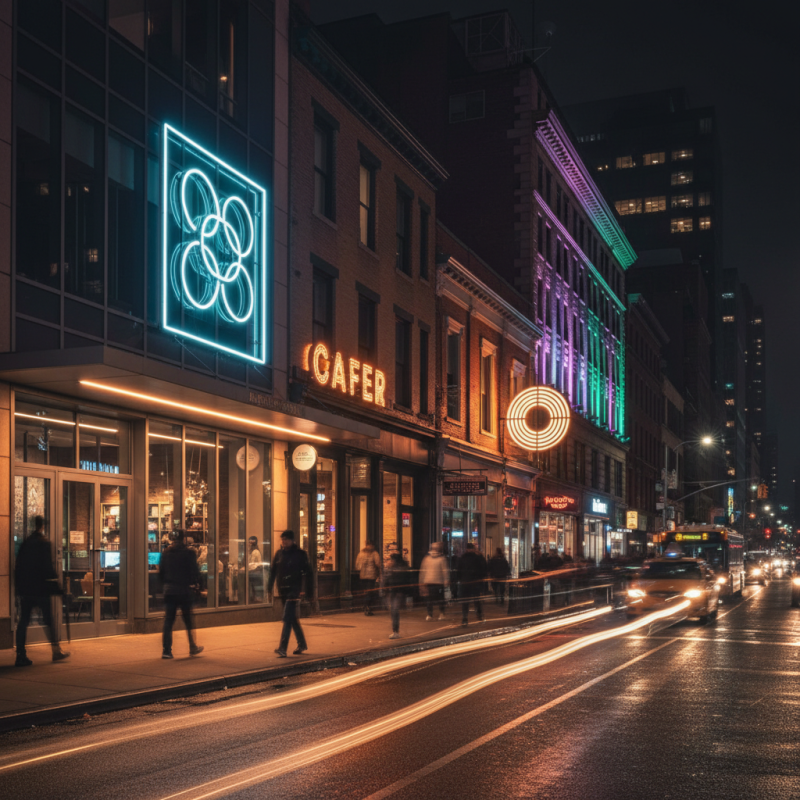
Choosing the Right Type of Lighted Business Sign for Your Needs
Choosing the right type of lighted business sign can significantly enhance your advertising efforts. A well-designed sign grabs attention and enhances visibility, especially at night. When considering options, think about the location of your business. Will the sign be viewed from a distance, or is it meant for pedestrians? For high-traffic areas, larger signs with clear lighting are effective.
Another consideration is the type of light used. LED signs offer bright illumination and energy efficiency. Neon signs provide a vibrant aesthetic but may require more maintenance. Assess your brand’s image and choose a sign that resonates with your target audience.
Keep in mind that the design should reflect your business's mission and values.
It’s also important to evaluate the durability of the materials. Outdoor signs face various weather conditions, so choosing robust materials can save costs in the long run. However, not every sign is perfect. Some might not stand out as intended, leading to missed opportunities.
Regularly reassess your sign's effectiveness and be open to making changes. A sign should evolve as your business does.
Key Features to Consider in Lighted Business Signs for Advertising
When choosing lighted business signs, several key features can enhance their effectiveness. Brightness is crucial. Surveys show that signs with high visibility can increase customer foot traffic by 20%. The right lighting technology, such as LED, ensures clarity and energy efficiency. LEDs consume up to 75% less energy than traditional neon. This can lead to significant cost savings over time, making them a smart investment.
Size matters too. A sign must be proportionate to its location. A smaller sign may go unnoticed in a busy street, while an oversized one could look overwhelming. The ideal height for a store-front sign is between 6 to 8 feet for optimal visibility. Colors and contrast influence readability. Studies indicate that high-contrast color combinations improve legibility by 60%. Additionally, simple designs help convey messages quickly. In a world where attention spans are short, clarity is paramount.
Sustainability is becoming more relevant. Consumers prefer businesses that emphasize eco-friendliness. LED signs are recyclable and have a longer lifespan, reducing waste. While these signs are effective, installation costs can be high. It's worth considering the long-term benefits versus the initial investment. Balancing quality with cost often requires careful thought and planning.
Best Lighted Business Signs for Effective Advertising
Placement Strategies for Maximum Visibility of Lighted Business Signs
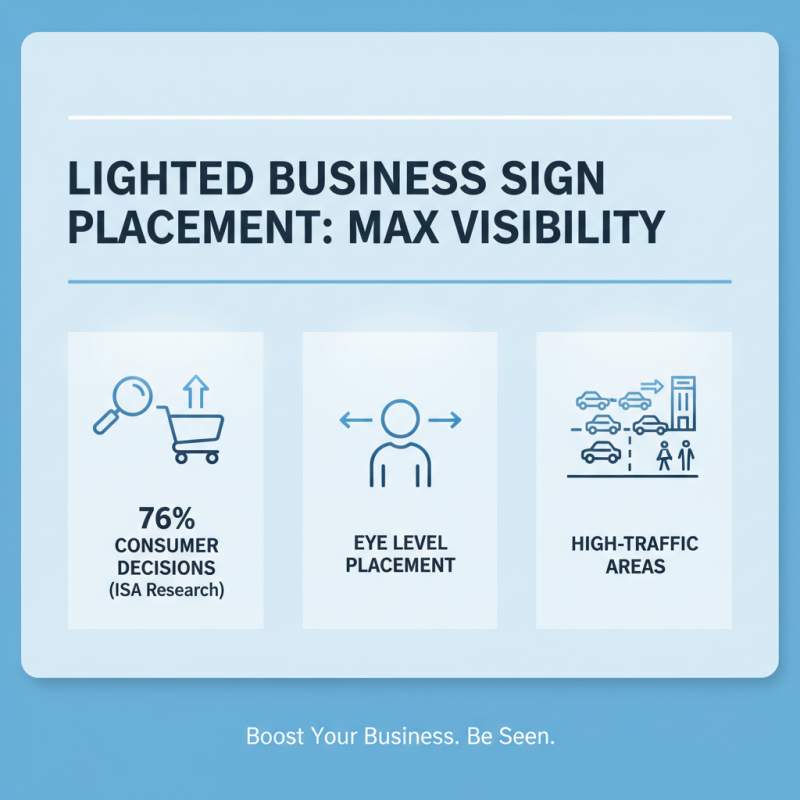
When it comes to lighted business signs, placement is critical for visibility and effectiveness. Research from the International Sign Association reveals that nearly 76% of consumers make buying decisions based on signage. For maximum impact, signs should be positioned at eye level and near high-traffic areas. This ensures that potential customers can easily notice and read the signs, even from a distance.
Another study indicates that LED signs attract attention 50% more than static signs. Effective placement includes areas such as building facades and outdoor spaces where foot traffic is heavy. However, it is essential to avoid overcrowding with other visuals. Too many signs can dilute the message and lead to a cluttered appearance, decreasing potential engagement.
Consider the surrounding environment when placing lighted signs. Factors like bright storefronts and competing advertisements can lessen visibility. Research suggests that signs with contrast stand out significantly better in distractions. It can be worthwhile to assess local business surroundings before finalizing placement. Reflecting on these strategies will lead to more effective advertising.
Maintaining and Updating Your Lighted Business Sign for Longevity
Maintaining and updating your lighted business sign
is crucial for its longevity. Regular inspections can help identify wear and tear. Look for flickering lights or dead bulbs. Addressing these issues promptly can enhance visibility. Dust and debris can accumulate over time, affecting brightness. Clean the sign's surface regularly to keep it appealing to customers.
Updating your sign's content is equally important. Fresh graphics and messages attract attention. Consider seasonal updates or special promotions to engage passersby. Signs that stay stagnant may lose their effectiveness. Additionally, review the placement of your sign. It should be visible from different angles and distances. If the visibility decreases, it may be time to reposition it for maximum impact.
Lastly, don't forget the power source. Ensure that wiring is in good condition. Faulty electrical connections can lead to sign failure. Keeping a maintenance schedule can prevent unexpected outages. Regular upkeep fosters reliability, aiding in long-term advertising success. A well-maintained sign reflects professionalism and care for your business.
Analyzing the Cost-effectiveness of Lighted Business Signs in Marketing
Lighted business signs have become essential tools in modern marketing. Their visibility can boost brand recognition and attract potential customers. When analyzing their cost-effectiveness, several factors emerge. The initial investment should be weighed against long-term benefits. These signs can enhance foot traffic and increase sales over time.
Consider the design of a lighted sign. A well-crafted sign catches the eye and communicates brand identity. Simple, bold graphics often stand out in crowded environments. However, not all designs succeed. Cluttered or overly complex signage can confuse onlookers. It’s essential to strike a balance between creativity and clarity.
Maintenance also plays a crucial role in overall costs. Regular upkeep ensures that signs remain effective. Fading lights or outdated designs can detract from a business's image. Evaluating the durability of materials used in sign construction is wise. Inconsistent lighting can lead to negative perceptions. Ultimately, ensuring that a lighted sign aligns with the business’s goals is crucial for maximizing returns.



 Inquiry
 Email
Email WhatsApp