2026 Top Trends in Acrylic Led Board Design and Usage Questions
Acrylic LED boards are rapidly transforming the design landscape. As we move towards 2026, the trends surrounding these dynamic displays will redefine aesthetics in various sectors. Their versatility makes them a popular choice for advertising, signage, and artistic installations.
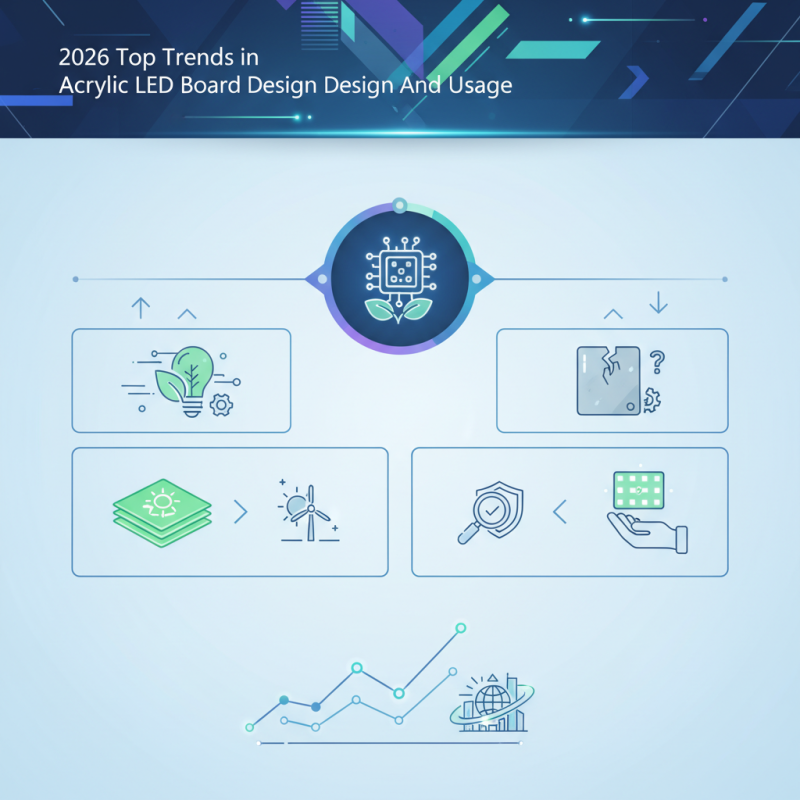
This year, we see an increasing focus on sustainability. Eco-friendly materials and energy-efficient LEDs are gaining traction. More brands are integrating these practices into their strategies. This reflects a shift towards responsible consumption.
However, challenges remain. Not all manufacturers prioritize quality. Some acrylic boards might not withstand the test of time. Consumers must remain vigilant, seeking reliable sources. The right knowledge will empower you to make informed choices. As we explore these trends further, let's keep in mind the evolving needs of our environment and the importance of quality in Acrylic LED boards.
2026 Acrylic LED Board Design: Innovations and Aesthetic Trends
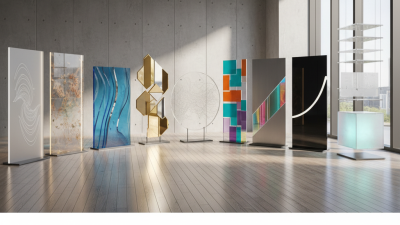
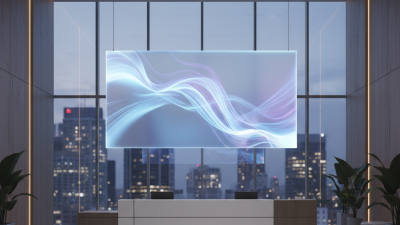
The world of acrylic LED board design is evolving rapidly. In 2026, we'll see a blend of innovative techniques and aesthetic trends transforming how we perceive signage. One prevalent trend involves the use of translucent and frosted acrylic materials. They add depth and interest to displays while ensuring clarity in messaging. The soft glow emitted by these boards creates an inviting atmosphere, perfect for retail spaces.
Another emerging trend is the integration of smart technology into LED boards. Imagine boards that change displays based on customer engagement. These interactive screens can enhance user experience while providing valuable data to businesses. However, challenges persist, such as ensuring reliability and reducing environmental impact. The balance between high-tech features and sustainability remains a key consideration for designers.
In today's market, minimalism continues to reign supreme. Clean lines and simple designs resonate with consumers seeking elegance. Yet, some traditional elements are still relevant, creating a juxtaposition of modernism and nostalgia. This duality invites reflection on how we blend the old with the new. As 2026 approaches, the acrylic LED board landscape promises to be diverse, pushing us to rethink design's role in communication and branding.
Sustainability in Acrylic LED Board Production: Eco-Friendly Materials
The acrylic LED board industry is evolving towards sustainability. Research indicates that about 85% of manufacturers are seeking eco-friendly materials. Many professionals believe this is essential for future growth. As consumer demands shift, it's crucial to adopt sustainable practices in production. Traditional acrylic materials often involve harmful chemicals, yet alternatives are emerging.
Biodegradable options and recycled materials present viable solutions. For instance, using recycled acrylic can reduce environmental impact significantly. According to a study by the Environmental Protection Agency, the use of recycled materials can lower carbon emissions by approximately 30%. However, sourcing and processing these materials comes with challenges.
Some manufacturers struggle with ensuring quality while maintaining eco-standards. Balancing durability and sustainability requires innovative thinking. For instance, a focus on stronger composites could lead to more sustainable designs. Reducing waste during production also remains a significant hurdle. Consequently, the industry must continue to explore and innovate, aiming for a future where sustainability is the norm rather than the exception.
Emerging Technologies in LED Lighting for Acrylic Board Applications
The landscape of acrylic LED board design is rapidly evolving. New technologies are transforming how these boards are used in various settings. The integration of smart technology into LED lighting is one key trend. This allows for dynamic control of illumination and colors through mobile apps. Users can customize settings based on their specific needs.
Another notable development is the use of energy-efficient LEDs. This innovation not only reduces power consumption but also extends the lifespan of acrylic boards. The combination of flexibility and durability makes them ideal for both commercial and residential applications. Users increasingly seek boards that provide vibrant displays while minimizing environmental impact.
However, challenges persist. The rapid pace of innovation can overwhelm some designers. Staying current with trends requires continuous learning and adaptation. There is also the risk of overcomplicating designs, making them difficult to operate or maintain. Balancing aesthetics and functionality remains a key consideration for designers in the acrylic LED board space.
Market Analysis: Demand and Growth for Acrylic LED Boards in 2026
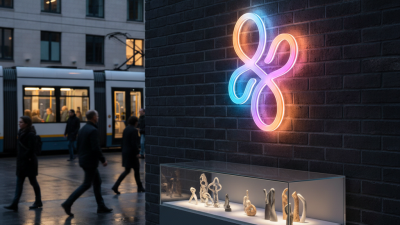
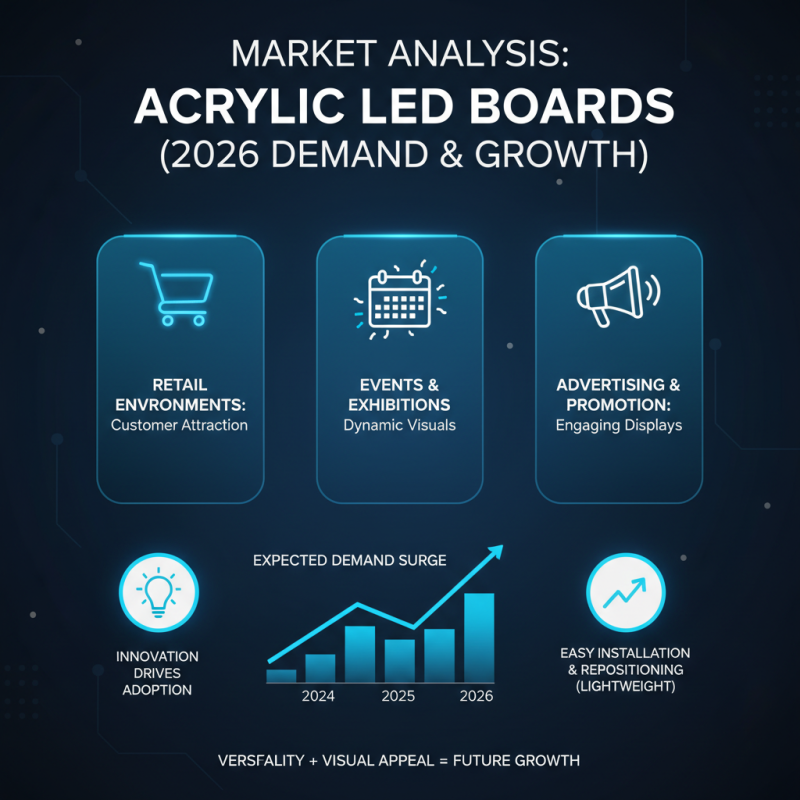
Acrylic LED boards are gaining popularity across various sectors, driven by their versatility and vibrant visual appeal. In 2026, the demand for these boards is expected to surge due to increased usage in retail environments, events, and advertising. The lightweight nature of acrylic makes it easy to install and reposition. As businesses continue to seek innovative ways to attract customers, LED boards will play a crucial role.
To enhance their effectiveness, consider these tips. Focus on bright colors and high contrast. This can help capture attention quickly. Incorporating motion or dynamic lighting effects can also create a memorable impact. Understand your audience's preferences; this knowledge will inform design choices that resonate with potential customers.
However, not all designs will be successful. Poorly executed concepts may lead to disengagement. Regularly assess the performance of your acrylic LED boards. Analyze their effectiveness by gathering feedback. This will help identify areas for improvement, ensuring your approach remains fresh and impactful. Being open to changes can make a significant difference in design choices.
Influence of Consumer Behavior on Acrylic LED Board Design Strategies
Consumer behavior significantly influences acrylic LED board design. Recent studies indicate that 70% of consumers prefer visually engaging displays. This trend drives businesses to seek unique, eye-catching designs for their boards. Interactive elements, like QR codes or motion sensors, are becoming increasingly popular. These features enhance user experience and encourage engagement.
Moreover, the rise of social media has affected aesthetic choices in design. About 80% of younger consumers respond positively to vibrant colors and innovative layouts. Designers now craft boards that not only attract attention but also encourage sharing on social platforms. However, some designs fall short, failing to communicate the intended message clearly. This emphasizes the need for balance between creativity and clarity.
Sustainable materials are becoming a priority too. A report noted that 45% of consumers consider eco-friendliness in their purchasing decisions. This has urged designers to explore greener options while maintaining functionality. Yet, the challenge remains in sourcing high-quality materials that meet aesthetic demands. Keeping pace with consumer expectations requires ongoing adaptation and reflection on design strategies.



 Inquiry
 Email
Email WhatsApp